%3Aformat(webp)%2Fhubspot_blogs%2F166204015008-SiemReap21.png&w=1920&q=75)
Ancient ruins, friendly people, incomparable architecture and a rich culture… A journey to Cambodia takes you into an exotic world where historical relics, lush forests and Buddhist temples line up one after another. Siem Reap is the city regarded as the gateway to the famous temples of Angkor, which is why it is also known as “Angkor City”. It leads to the famous Khmer temples, yet is itself brimming with cultural treasures and offers you the chance to marvel at the history of Cambodia with your own eyes. From circus troupes to modern Khmer cuisine, from cultural monuments to floating villages – get to know the essence of Cambodia by taking on these ten activities, which will open the door to the eighth wonder of the world…
This imposing building lies on the way to Angkor and entices visitors with magnificent galleries and exhibitions that introduce you to Khmer culture in an educational way. Even the first gallery is breathtaking: it is the Gallery of a Thousand Buddhas, where Buddhas carved from wood and set with stones adopt various mudra positions. The other galleries offer a vivid insight into Khmer civilisation, its religions and beliefs, Brahmanic deities and the traditional costumes of Khmer civilisation.
The exhibitions are quite modern and make use of a variety of media, sometimes even digital media. While you're there, be sure to take a look at the most important exhibits: such as the seated Buddha protected by a naga (a mythical serpent), or the Vishnu statue from the 7th century. Handy to know: the museum is air-conditioned and audio guides are available. So it's the perfect place to devote a few hours to getting to know Cambodian culture!
%3Aformat(webp)%2Fhubspot_blogs%2F166204015008-SiemReap7.png&w=1920&q=75)
Source: George Dagerotip/Unsplash
Two markets in one! The locals head there every morning to do their shopping – especially when it comes to fresh food. Travellers love this market too, as it offers the chance to get to know the local people and their culture, their food and their customs. The market is made up of two parts. The first is dedicated to fresh food, exotic fruit and vegetables and all manner of household goods. Here you'll also find fun and meaningful symbols, such as the scales of justice, which are meant to help avoid disputes between sellers and buyers. This is the best place to begin your wander through the lively market. Grab yourself some fruit to snack on as you explore the temples of Angkor. Then discover the market's jewellers' quarter, the corner with the clothing, and stop off at a craft shop that supports charitable causes. If you're looking for a souvenir gift, this is the perfect place for it!
But what you absolutely mustn't miss is a visit to the night market! Even after nightfall the streets are full of life, and Cambodians and visitors alike eat and drink throughout the night. After a day of cultural sightseeing or a Cambodian dance performance, let yourself be swept along by the crowds to round off the day.
%3Aformat(webp)%2Fhubspot_blogs%2F166204015008-SiemReap3.png&w=1920&q=75)
Source: Humphrey Muleba/Unsplash
A visit to Siem Reap is the perfect opportunity to immerse yourself in the country's flavoursome culinary culture. Cambodian and Khmer cuisine, despite its glorious reputation, is still something of an insider tip. It makes use of special local ingredients such as freshwater fish from the Tonlé Sap, palm sugar from the famous palms of Siem Reap, rice noodles grown in Cambodia, Kampot pepper and herbs picked fresh from the Cambodian countryside. The result is authentic and incredibly delicious dishes that taste of Cambodia. The subtle notes of history and the diverse influences of the Kingdom of Cambodia – brought to the plate, or rather the bowl.
But where can you sample the best Cambodian cuisine? Visit a spot in Siem Reap that has become an indispensable part of the city's culinary scene: the “1932” restaurant at the Grand Hotel d'Angkor. The 1932 celebrates the country's rich culinary heritage and pays homage to the Khmer legacy in an elegant and timeless setting. Under the guidance of Siem Reap-born chef Dorn Doeurt, you'll enjoy an unforgettable culinary experience accompanied by a selection of wines recommended by the sommelier. You can also eat well at “Cuisine Wat Damnak”, the restaurant of chef Joannes Rivière, where you'll gain deep insights into contemporary Khmer cuisine that go far beyond the ordinary. Market-fresh fruit and vegetables, seasonal menus that change weekly – here you can practically order blind, because everything tastes exceptionally good! Another of the city's flagships is the “Embassy Restaurant”, a Cambodian gourmet establishment led by chef Kimsan Pol.
%3Aformat(webp)%2Fhubspot_blogs%2F166204015008-SiemReap9.png&w=1920&q=75)
Source: Niels B/Unsplash
This street is almost as famous as the temples of Angkor. It's known for its lively, boozy atmosphere and its bars, which make up Siem Reap's nightlife. “Angkor What?” is one of the street's best-known bars, where you can try, among other things, Hanuman beer – a local Cambodian brew. And if you get hungry? Pub Street and its surroundings offer plenty of options for eating or snacking. You can also take a break to try a homemade ice cream with a typically local flavour.
%3Aformat(webp)%2Fhubspot_blogs%2F166204015008-SiemReap8.png&w=1920&q=75)
Source: Sumit Mangela/Unsplash
The river in Siem Reap flows past the foot of numerous pagodas. On the left bank in particular, all the way to the lake, you'll find the wooden gables and Buddha columns of Wat Bo. They date from the 18th century and continue to impress visitors to this day with their incredibly well-preserved paintings. Depicted are passages from the famous Khmer Ramayana: the Reamker -, Wat Preah Prom Rath or the Preah Ang Chek Preah Ang Chorm Shrine. But the colonial buildings here are lovely to look at too: old buildings in the Chinese-colonial style with their columned balconies, the royal residence where De Gaulle stayed, and the famous Royal Gardens.
%3Aformat(webp)%2Fhubspot_blogs%2F166204015008-SiemReap10.png&w=1920&q=75)
Source: George Dagerotip /Unsplash
Siem Reap is famous for its floating villages, where the houses seem to hover on the water and all of life plays out on and around the river. Various communities live around the lake. The best-known villages are: Chong Kneas, Mechrey, Kampong Phluk and Kampong Khleang. Here you can watch the local people going about their daily routine: fishing, farming, handicrafts… It's the ideal chance to take a boat trip on the Tonlé Sap. Did you know that it's the largest lake in Southeast Asia? Stop off along the way to enjoy your lunch out on the water.
%3Aformat(webp)%2Fhubspot_blogs%2F166204015008-SiemReap11.png&w=1920&q=75)
Source: Mateus Bragança de Carvalho/Unsplash
Cambodia has a very famous national circus troupe, and beneath the beautiful circus marquee from Switzerland, the contemporary performers take you into their world. Half an hour before the show, all the artists are introduced to you, before the magic finally begins, as circus, theatre, dance, music and traditional tales merge together for the length of one sunlit show! You'll love the performers' energy and will definitely be left in awe. Before the show, it's well worth having dinner at the Phare Café!
The Bos Thom Community Forest at the foot of the Kulen mountain comprises almost 4.5 square kilometres of protected forest, home to the former elephants of Angkor. Once, these elephants' lives consisted of carrying visitors on their backs through the temples and World Heritage sites. Today they enjoy their freedom and a well-earned retirement in their natural habitat.
There are only around 75 domesticated elephants left in Cambodia, and just a few hundred living in the wild. That is why it is so important to protect this species. A visit to the Kulen Elephant Sanctuary is therefore an absolute must during your stay in Siem Reap. Getting involved in protecting the elephants of Angkor is a wonderful way to take part in responsible tourism.
%3Aformat(webp)%2Fhubspot_blogs%2F166204015008-194.jpg&w=1920&q=75)
Source: Deb Dowd de Carvalho/Unsplash
Traditional Khmer dances are an important part of Cambodian culture. These dances have their origins in performances for the royal family, known as robam preah reachea trop. The dancers wear elaborate Khmer and Thai costumes. Courtly dances have a slow rhythm, while folk dances have a faster beat and are sometimes influenced by traditional Thai and Laotian dances.
These traditional dances are a true symbol of Khmer culture, as they draw on symbols from Hindu and Buddhist mythology. This tradition is sometimes also called the Apsara dance, the enchanting dance of the celestial nymphs. We recommend attending a performance at the Apsara Theatre or with the Sacred Dancers of Angkor, an organisation that gives young artists a chance.
%3Aformat(webp)%2Fhubspot_blogs%2F166204015008-204.png&w=1920&q=75)
Source: Siborey Sean de Carvalho/Unsplash
During the collapse of tourism in the Covid era, the city of Siem Reap invested in clever infrastructure that allows visitors to discover many extraordinary places comfortably by bicycle. So get pedalling too (whether on an e-bike or a regular bike) and take the short routes to the famous temples of Angkor, or to the so-called forgotten temples such as Beng Mealea, Koh Ker, Kbal Spean and so on.
The cycle paths lead through a 400 km² park and let you discover peaceful, green spots along the way. So, are you ready to pay a visit to Siem Reap and the famous temple of Angkor?
%3Aformat(webp)%2Fhubspot_blogs%2F166204015008-SiemReap6.png&w=1920&q=75)
Source: Unsplash
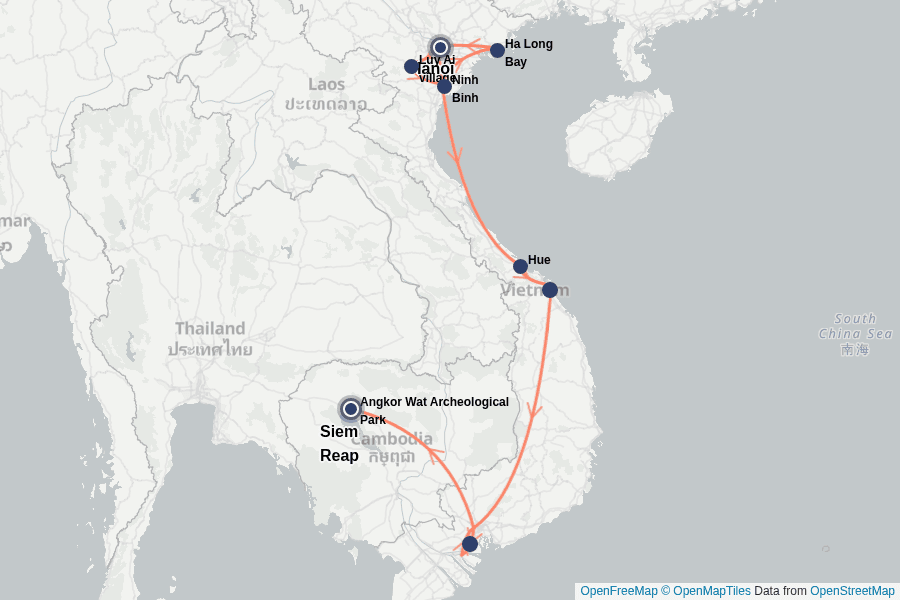
Asiaventura is by your side to share an exotic adventure through Southeast Asia with you. Depending on what you're dreaming of, several options are open to you: one of our popular tours takes you through both Vietnam and Cambodia.
Alternatively, you could first take a tour through Thailand and then spend a few extra days visiting Siem Reap and the temples of Angkor.
Contact us
We’d love to hear from you. Please fill out this form.
All fields marked with (*) are mandatory.
%3Aformat(webp)%2Fheader_media%2Fe7def509-8677-4ac0-81c8-fa653e19ce37-myanmar-bagan-banner.png&w=1920&q=75)
%3Aformat(webp)%2Fdestination%2F6d03011d-2f9a-4acf-bafd-15a2c9244bd6-adobestock_122754448-1-.jpg&w=1920&q=75)
%3Aformat(webp)%2Fheader_media%2F780c72b1-255a-46fe-9ac0-b2320fc21a4a-timelinecycle-1-.jpg&w=1920&q=75)
%3Aformat(webp)%2F36886ef5-5e69-4420-84fb-0adbc5078dd4-asia_ventura_logo_1200px_full_color.png&w=1920&q=75)
%3Aformat(webp)%2Fday_detail%2F513e6e8d-24fa-4dca-bb59-ecd3b68638da-8791slide33.jpg&w=1920&q=75)
%3Aformat(webp)%2Fimg%2F2048x1536%2F5c92be4b6ca64.jpg&w=1920&q=75)
%3Aformat(webp)%2Fhubspot_blogs%2F79080211244-bayonAngkorWatcambodia.jpg&w=1920&q=75)
%3Aformat(webp)%2Fhighlight%2F3174da1c-4b15-4522-8976-4192e421e767-japanese-bridge-hoi-an-hoian-vietnam-33-1-.jpg&w=1920&q=75)
%3Aformat(webp)%2Fheader_media%2F1cbb633f-14e5-41cc-93b2-d181d059c9e4-pexels-d-ng-nhan-324384-1102398.jpg&w=1920&q=75)
%3Aformat(webp)%2Fmedia-admin%2F38700cac-d9b9-48fc-9f31-1cecc2e47a1b-cambodia-people-friendly-cut.jpg&w=1920&q=75)
%3Aformat(webp)%2Fheader_media%2F7fe37920-678f-438f-8a90-458b92a0982a-architecture-asian-architecture-temple-door-wallpaper-6bd69c6db3317f6955b46bc9fdac8ce0.jpg&w=1920&q=75)
%3Aformat(webp)%2Fheader_media%2Fa48fa6e2-4e1d-41b2-b802-61158f99fbc1-img_5076.jpg&w=1920&q=75)
%3Aformat(webp)%2Ftravel_report_photo%2F82613%2F9bd8b7f8-efbf-47a0-8bac-85692944c35d-156B2013-99D6-42A0-9D70-16482BDABD13.jpg&w=1920&q=75)